Rigid-container powder filling

Jar and bottle powder filling machines with auger dosing.

Plan powder filling for jars, bottles and tubs together with capping, sealing, labelling and line handling.

Powders
Fine, dusty, cohesive and free-flowing
Formats
Jars, bottles, tubs, pouches and bags
Support
Specification, supply and line integration
Automatic Lancing auger filling machine for powder filling enquiries
Jar and bottle filling option
Specification-first planning

Rigid-container powder filling depends on container presentation and downstream closure.

A jar or bottle filling project is not only about the filler. The pack must be stable under the fill head, must allow clean powder entry and must move on to a suitable cap, seal, label or checkweigh step without creating a bottleneck.

Useful details to confirm

  • Jar, bottle or tub dimensions and opening size
  • Container stability and indexing method
  • Powder settling or headspace requirement
  • Cap, liner, induction seal or closure style
  • Labelling, coding and case-packing needs
Compare options

Relevant machine options

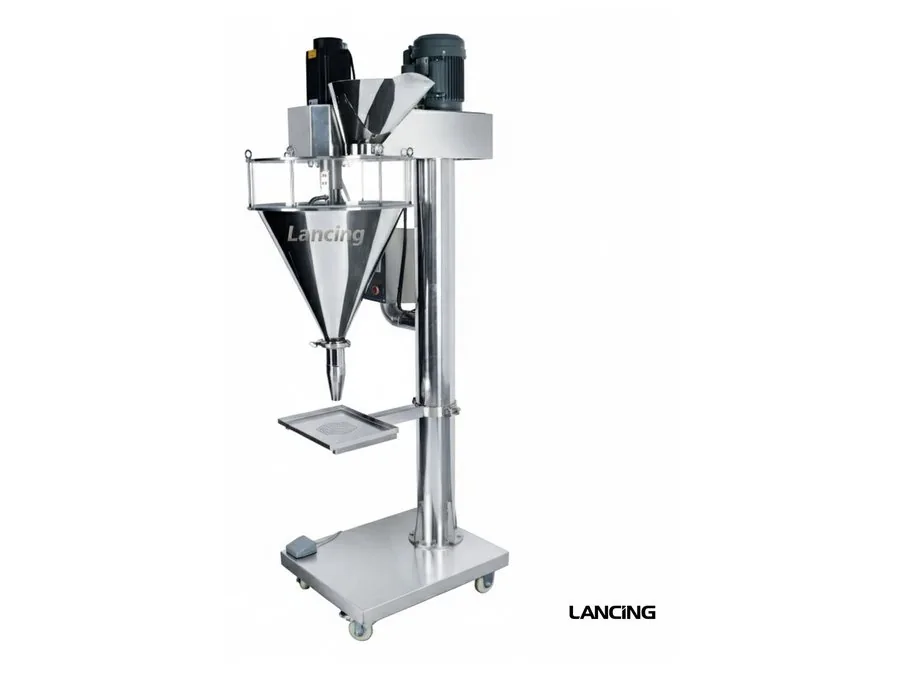
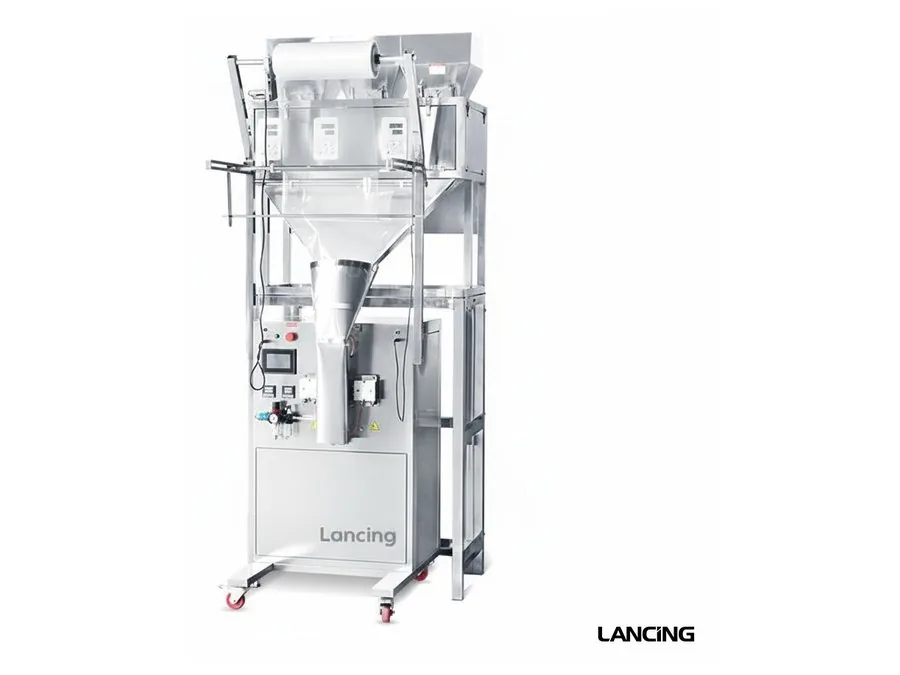
Semi-automatic auger powder filler with stainless hopper and dosing nozzle
Bench & operator-fed dosing

Semi-automatic auger fillers

A practical option for smaller batches, trials, short runs and growing production where repeatable powder dosing is needed without a fully automated line.

  • Jars, tubs, bottles and pouches
  • Fast changeovers and small footprints
  • Useful for powders, spices and supplements
View details
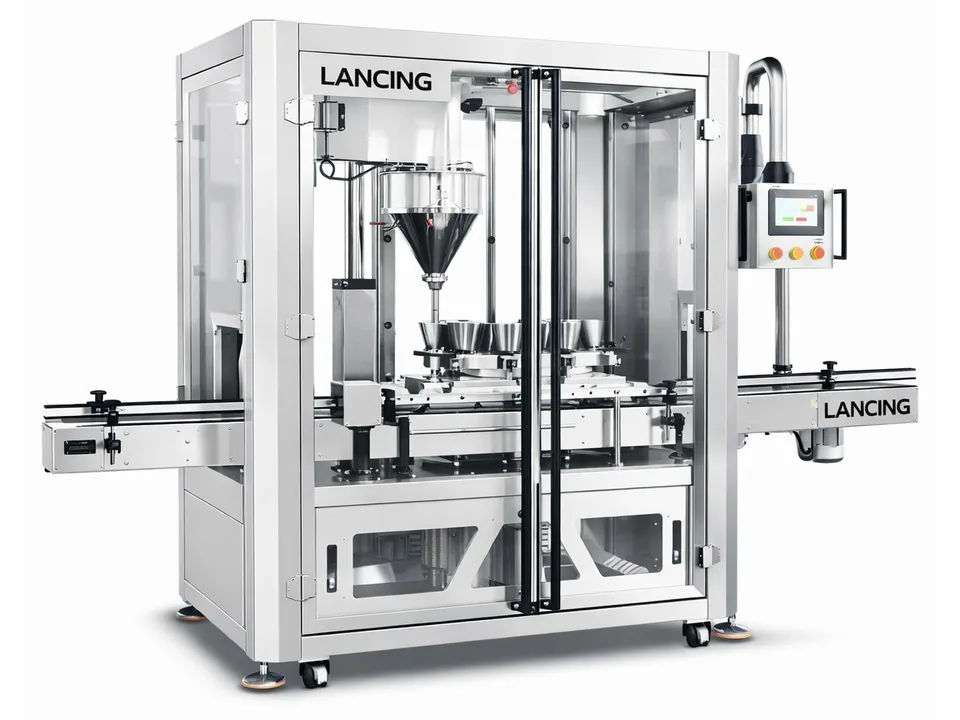
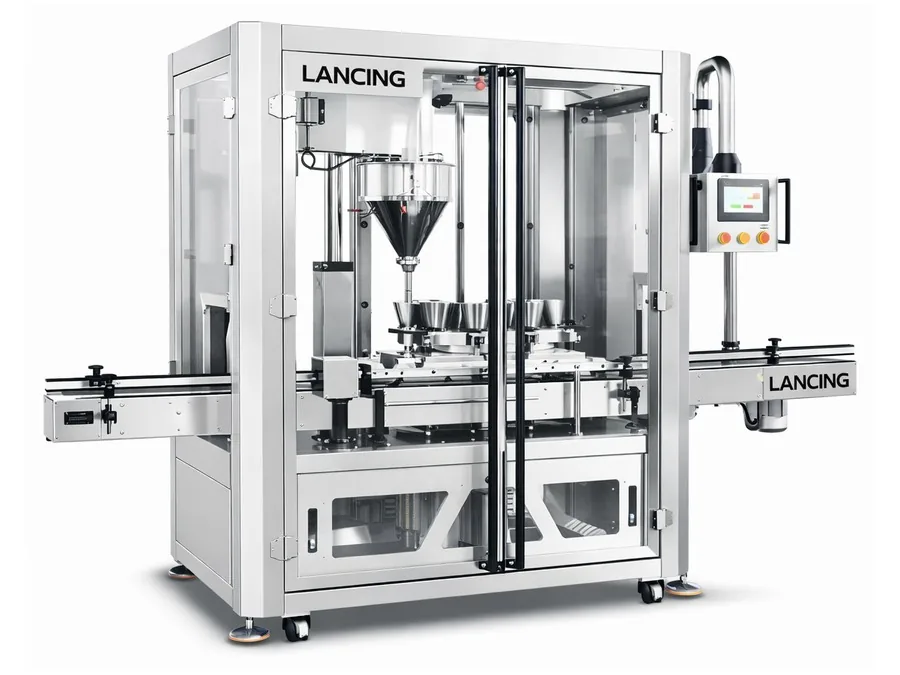
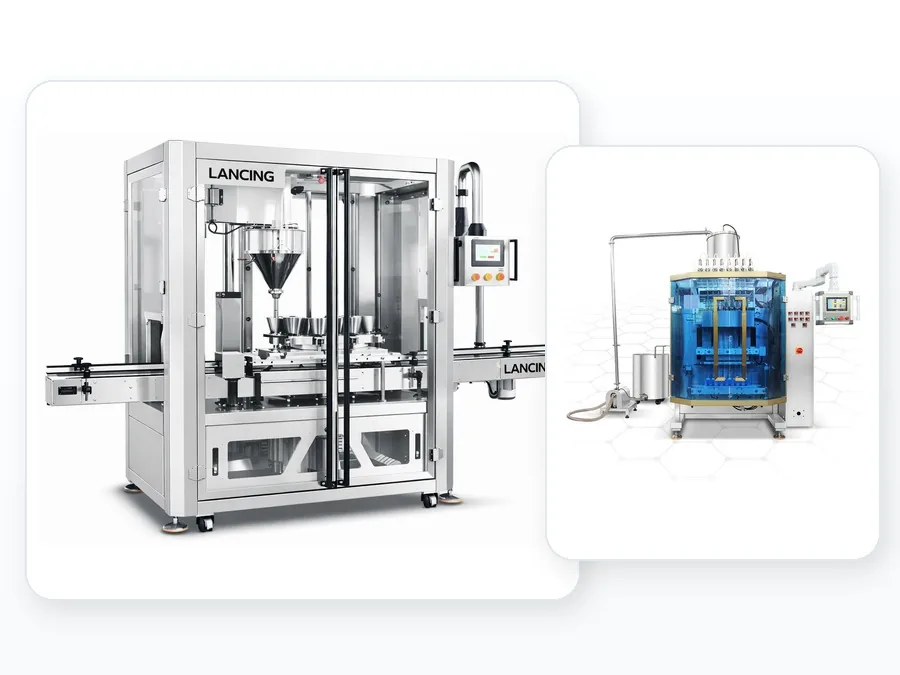
Automatic enclosed auger filling machine with conveyor and rotary indexing table
Inline powder filling

Automatic auger filling machines

For production lines where containers are presented, filled and moved on to capping, sealing, labelling or checkweighing with less operator handling.

  • Container indexing and conveyor handling
  • Hopper, screw feed and recipe control options
  • Integration with capping and labelling
View details
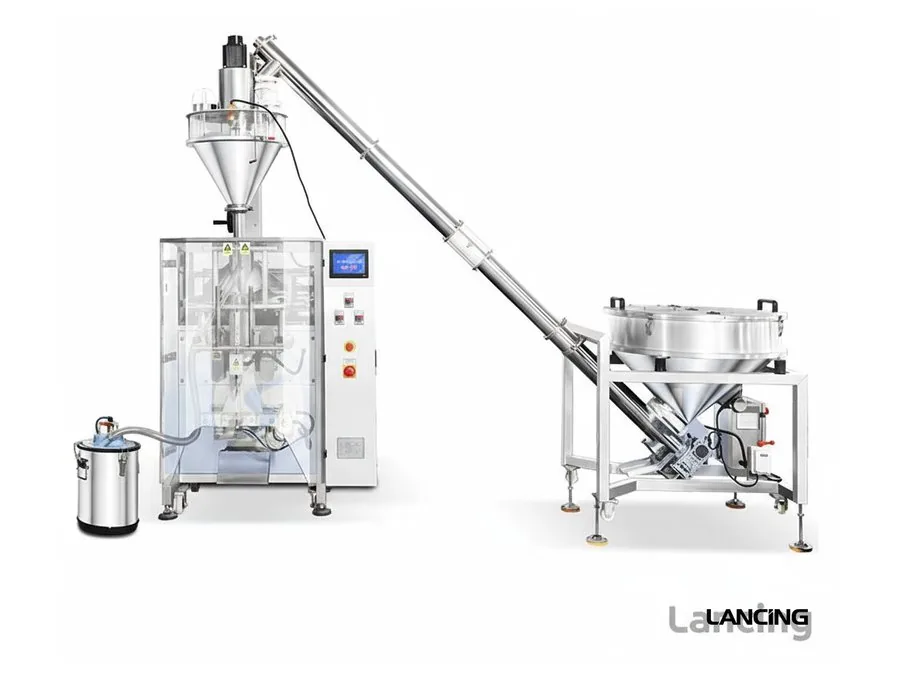
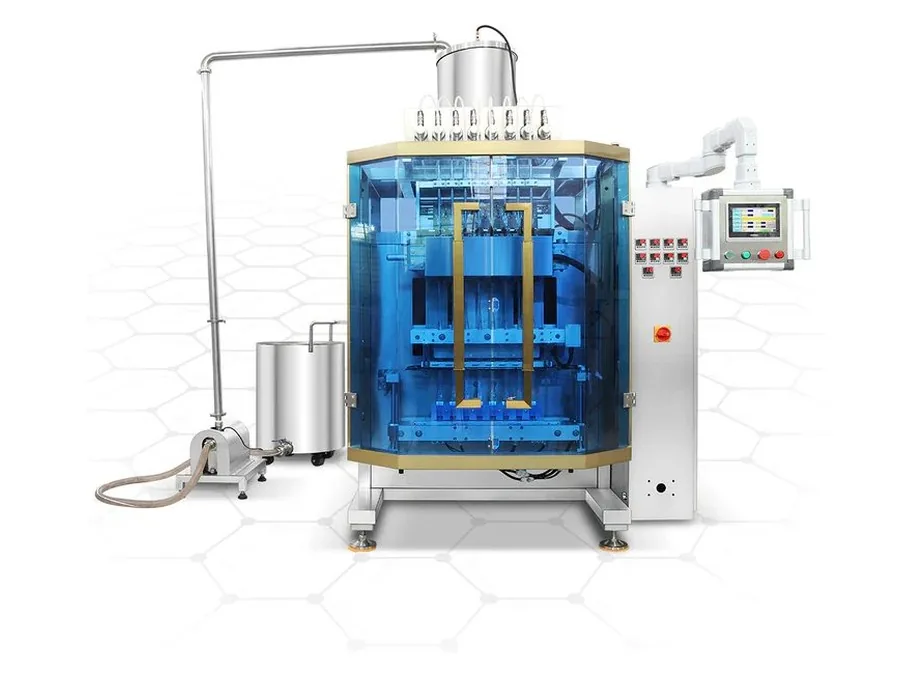
Automatic VFFS auger powder filling machine with screw feeder and bagging section
Powder bagging & pouching

VFFS auger powder filling machines

Auger dosing combined with form-fill-seal bagging for powders that need controlled filling into sachets, pillow packs, stick packs or larger bags.

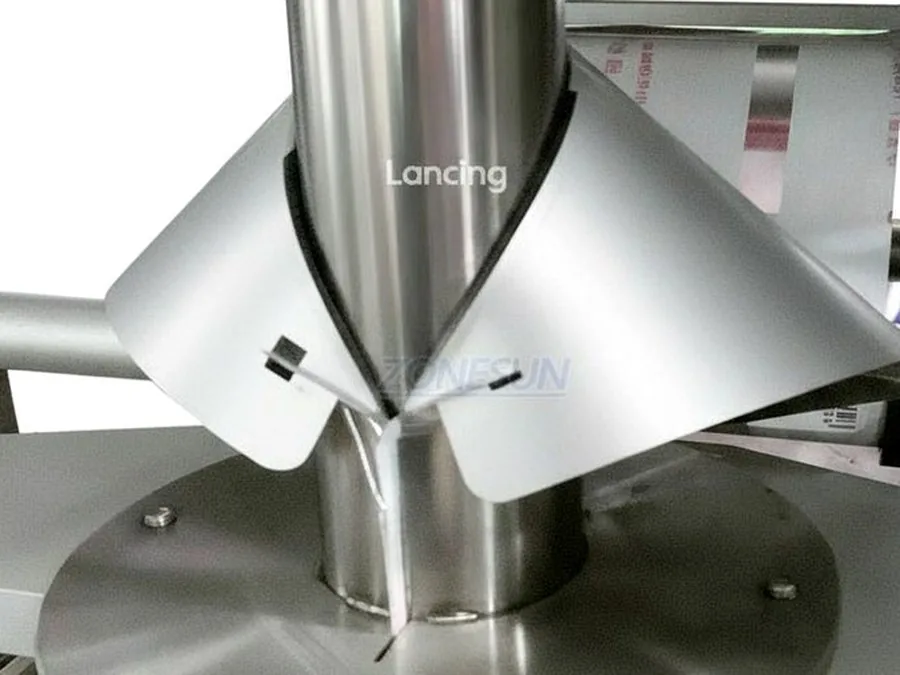
  • Roll-film bag forming
  • Dust and seal-zone control
  • Powder pouch and bagging applications
View details
Integrated auger filling line machinery examples
Dosing plus line integration

Complete auger filling lines

Line planning for product feed, auger filling, container handling, capping, sealing, coding, labelling and end-of-line support.

  • Feeders, conveyors and accumulation
  • Capping, sealing and labelling interfaces
  • Layout planning before quotation
View details
Related applications

Compare other powder packaging options.

FAQs

Common jar and bottle filling questions.

Can auger fillers fill wide-mouth jars?

Yes, wide-mouth jars and tubs can suit auger filling, but the final setup depends on the fill weight, neck opening, dust and downstream closure.

Do powder jars need settling before capping?

Some powders need vibration, dwell time or headspace planning before the cap is applied.

Can the same line fill different container sizes?

Often yes, with change parts and setup changes, but the size range should be included in the initial specification.

Buyer questions

Further questions about filling jars and bottles.

Container access, usable volume and closure cleanliness should be resolved before the filler and indexing method are fixed.

Can powder be filled into a narrow-neck bottle?

Powder can be filled into some narrow-neck bottles when the nozzle can align with the opening, displaced air can escape and the powder does not bridge or blow back through the neck. The minimum internal access, shoulder profile, bottle stability, loose fill volume and dust behaviour must all be checked with physical samples.

A catalogue neck diameter alone is not enough because the internal shoulder may restrict the usable path. The complete bottle and closure should be trialled.

Review narrow-neck bottle filling

Which container measurements are needed for machine planning?

Machine planning normally needs overall height, body width or diameter, base footprint, internal and external opening dimensions, neck or finish details, shoulder profile and relevant tolerances. Weight, rigidity and centre of gravity also matter because they affect conveyor guides, stopping, nozzle approach and stability.

Supply dimensioned drawings and representative samples for every intended format. Moulded containers may vary in ways that a nominal specification does not show.

Use the enquiry checklist

How can powder be kept off the jar rim before closing?

Powder can be kept off the jar rim by controlling nozzle position, free-fall distance, dose cut-off, displaced air and fill height. Local extraction or a rim-cleaning step may be appropriate for dusty products, but it should not remove saleable product or spread contamination to nearby packs.

Check the rim after normal starts, stops and refills, then confirm that the cap, liner or induction seal can be applied consistently. Adequate headspace is part of the solution.

Plan fill volume and headspace

Discuss the product, pack and production target.

Send representative samples and the required fill range so Lancing can review the appropriate auger filling arrangement.

Send project details