Powder filling machines

Powder filling machines and auger fillers for dry products.

Compare auger powder filling options for fine, dusty, cohesive and free-flowing products before requesting a specification.

Powders
Fine, dusty, cohesive and free-flowing
Formats
Jars, bottles, tubs, pouches and bags
Support
Specification, supply and line integration
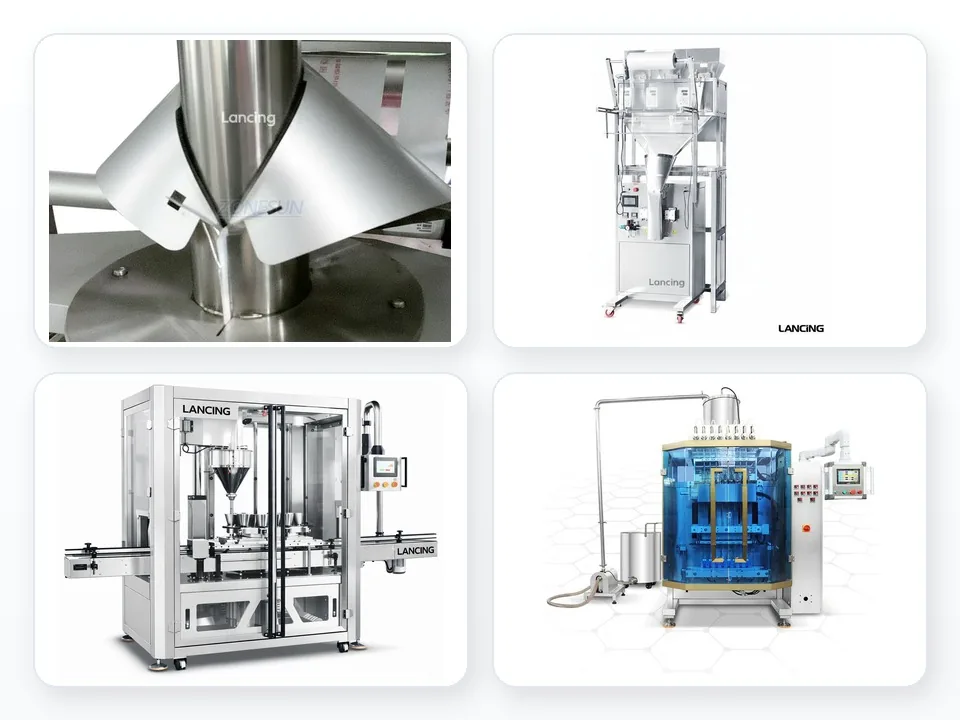
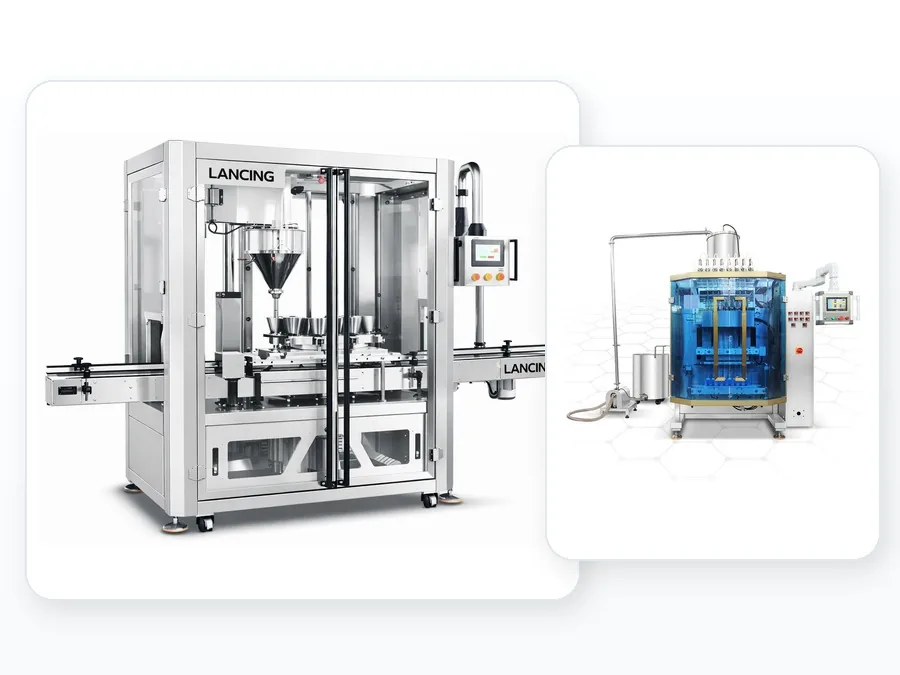
Product images showing auger filler machinery for powder, granule, jar, pouch and bag applications
Powder filling option
Specification-first planning

Powder behaviour is the starting point for the machine choice.

Fine powders, cohesive blends, dry ingredients and dusty products behave differently in a hopper. Auger filling is often considered when controlled dosing, clean cut-off and repeatability are important, but the final specification should be checked against the pack format and accuracy target.

Useful details to confirm

  • Powder density, flow and dust behaviour
  • Moisture, bridging, segregation or aeration risk
  • Fill weight, dose range and accuracy expectation
  • Pack format and opening dimensions
  • Cleaning, containment and changeover requirements
Compare options

Relevant machine options

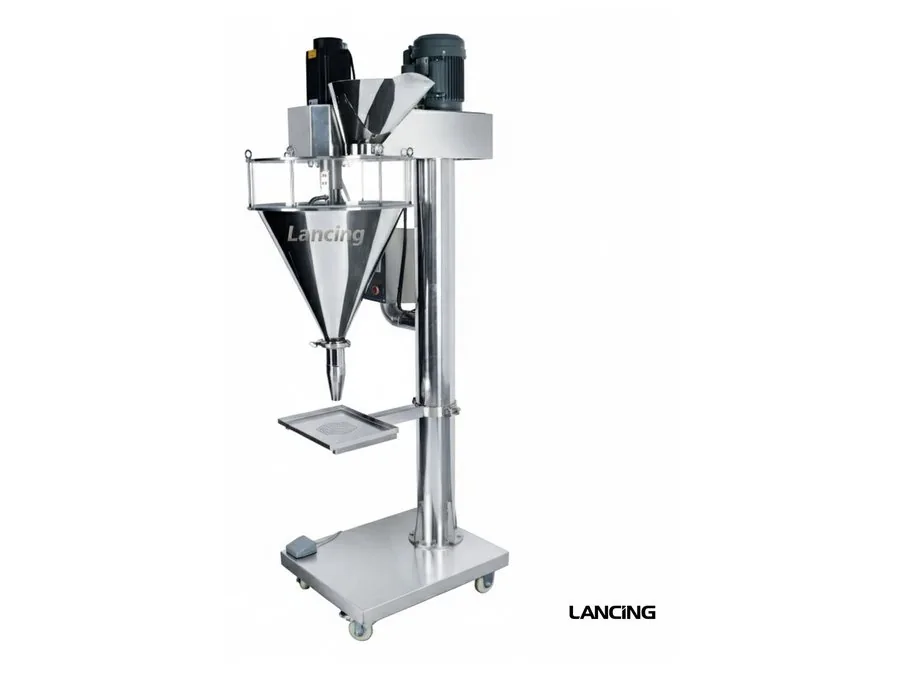
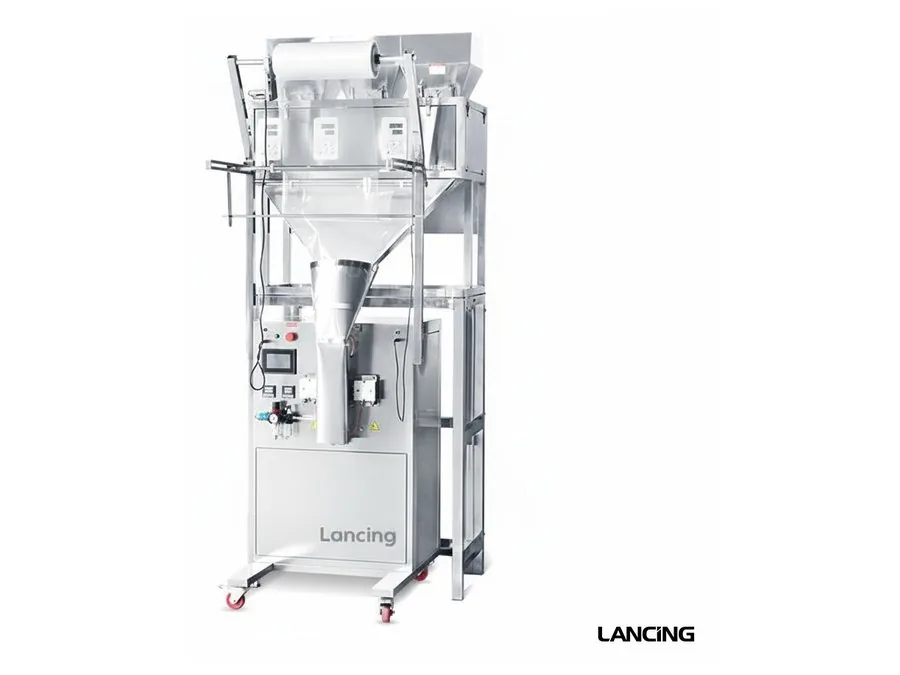
Semi-automatic auger powder filler with stainless hopper and dosing nozzle
Bench & operator-fed dosing

Semi-automatic auger fillers

A practical option for smaller batches, trials, short runs and growing production where repeatable powder dosing is needed without a fully automated line.

  • Jars, tubs, bottles and pouches
  • Fast changeovers and small footprints
  • Useful for powders, spices and supplements
View details
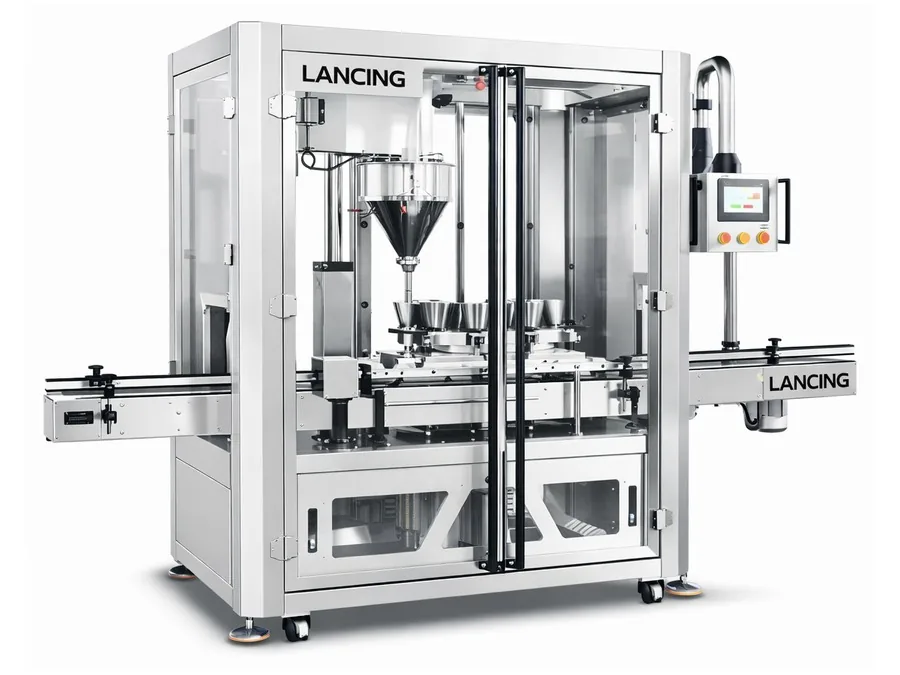
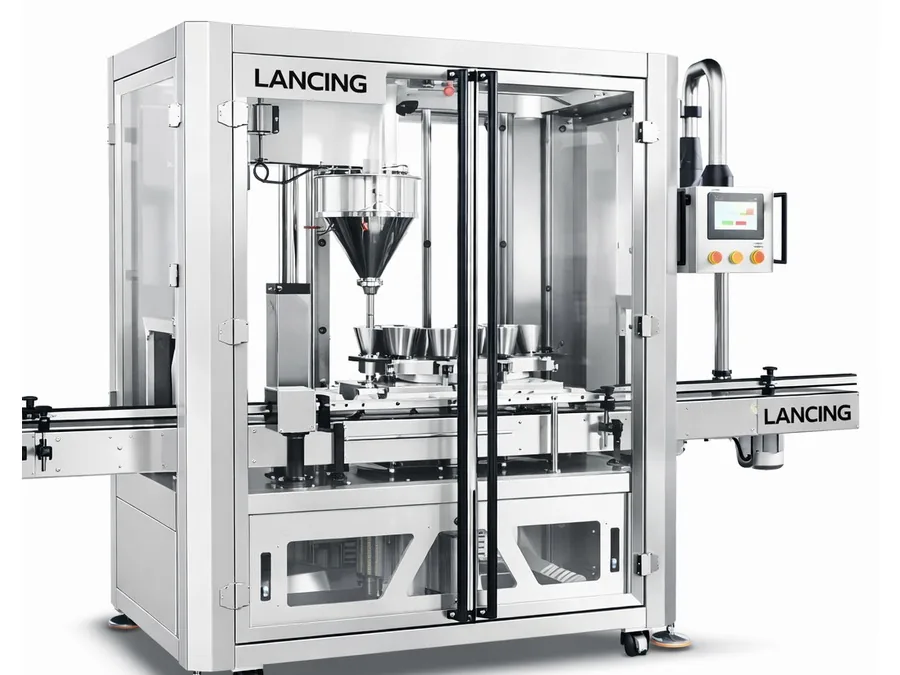
Automatic enclosed auger filling machine with conveyor and rotary indexing table
Inline powder filling

Automatic auger filling machines

For production lines where containers are presented, filled and moved on to capping, sealing, labelling or checkweighing with less operator handling.

  • Container indexing and conveyor handling
  • Hopper, screw feed and recipe control options
  • Integration with capping and labelling
View details
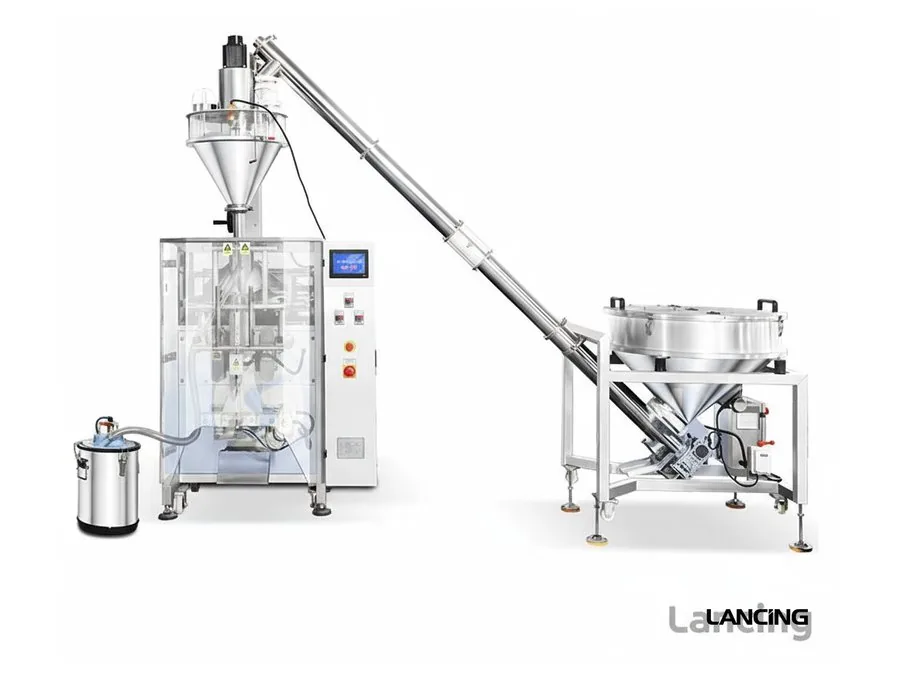
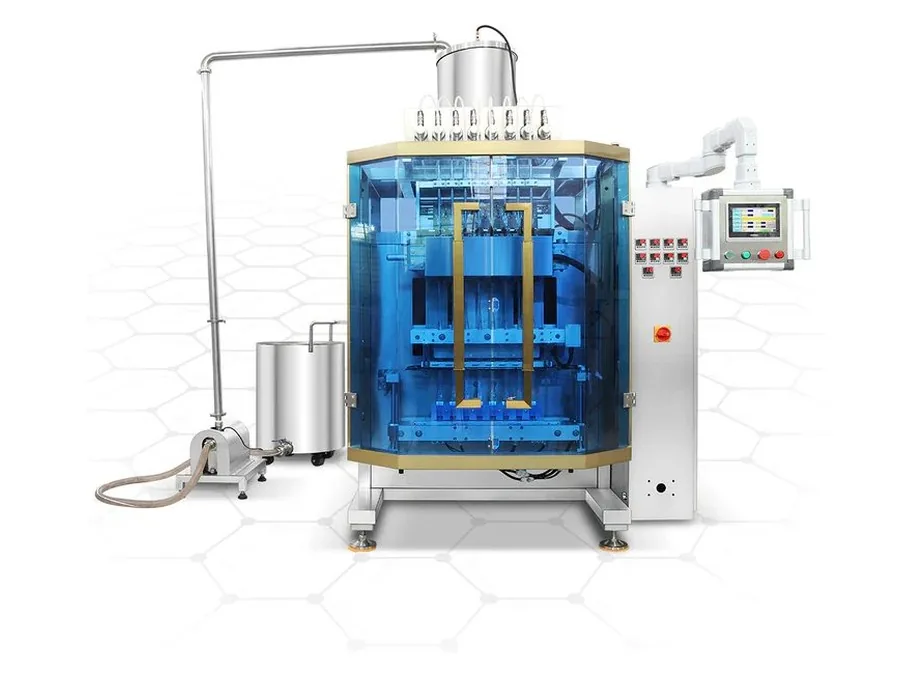
Automatic VFFS auger powder filling machine with screw feeder and bagging section
Powder bagging & pouching

VFFS auger powder filling machines

Auger dosing combined with form-fill-seal bagging for powders that need controlled filling into sachets, pillow packs, stick packs or larger bags.

  • Roll-film bag forming
  • Dust and seal-zone control
  • Powder pouch and bagging applications
View details
Integrated auger filling line machinery examples
Dosing plus line integration

Complete auger filling lines

Line planning for product feed, auger filling, container handling, capping, sealing, coding, labelling and end-of-line support.

  • Feeders, conveyors and accumulation
  • Capping, sealing and labelling interfaces
  • Layout planning before quotation
View details
Related applications

Compare other powder packaging options.

FAQs

Common powder filling questions.

What products suit powder auger filling?

Common applications include spices, flour, seasoning, coffee, protein powder, supplements, detergent and other dry products where controlled dosing is needed.

Can auger fillers handle dusty powders?

They can be specified with suitable hopper, fill head and dust-control considerations, but the product and pack must be reviewed carefully.

What is the best powder filling machine?

There is no single best machine. The right option depends on flow behaviour, fill size, pack format, output target and integration needs.

Buyer questions

Further questions about powder filling behaviour.

Powder condition can change the appropriate dosing method, tooling, verification plan and production controls.

How do humidity and storage time affect a powder filling trial?

Humidity and storage time can change powder moisture, caking, aeration, density and flow before the material reaches the auger. A trial with a freshly opened sample may therefore differ from production product that has been stored, transferred or held in a hopper for longer.

Supply handling guidance and reproduce the expected exposure where moisture sensitivity matters. Record the sample condition so later differences can be investigated rather than attributed automatically to the machine.

Plan for hygroscopic powders

How can fill weight be converted into approximate pack volume?

Approximate pack volume can be estimated by dividing fill mass by representative bulk density, using compatible units. The calculation must then be adjusted for density variation, aeration, settling, pack geometry, closure clearance and the clean rim or seal zone needed during filling.

Use the loose condition seen at the filler rather than relying only on a settled laboratory value. A real pack trial remains necessary before container or pouch size is fixed.

Calculate powder volume and headspace

When may an auger filler be unsuitable for a dry product?

An auger filler may be unsuitable when the product is too free-flowing to cut off cleanly, contains fragile pieces that are damaged by the screw, is highly abrasive, segregates under agitation or cannot be cleaned safely from the proposed tooling. A weigh, cup, gravity or vibratory method may then be more appropriate.

Suitability should be decided through product evidence and trials, not only the label “powder”. Mixed, granular and inclusion-rich products may behave very differently from fine cohesive powders.

Assess fragile or abrasive products

Discuss the product, pack and production target.

Send representative samples and the required fill range so Lancing can review the appropriate auger filling arrangement.

Send project details