How much operator work remains on a semi-automatic filler?
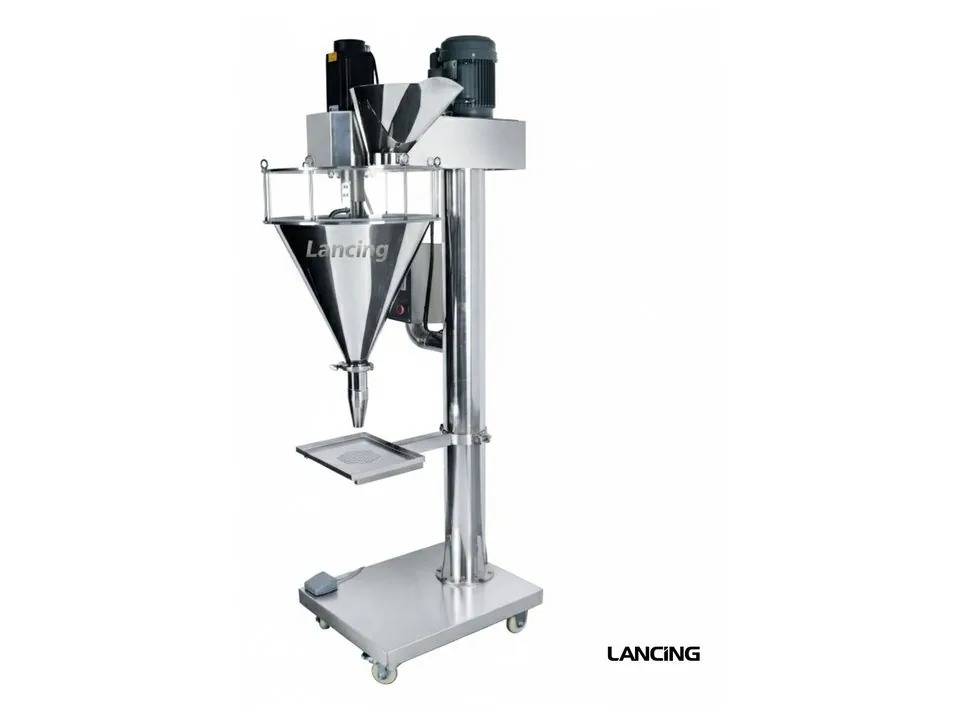
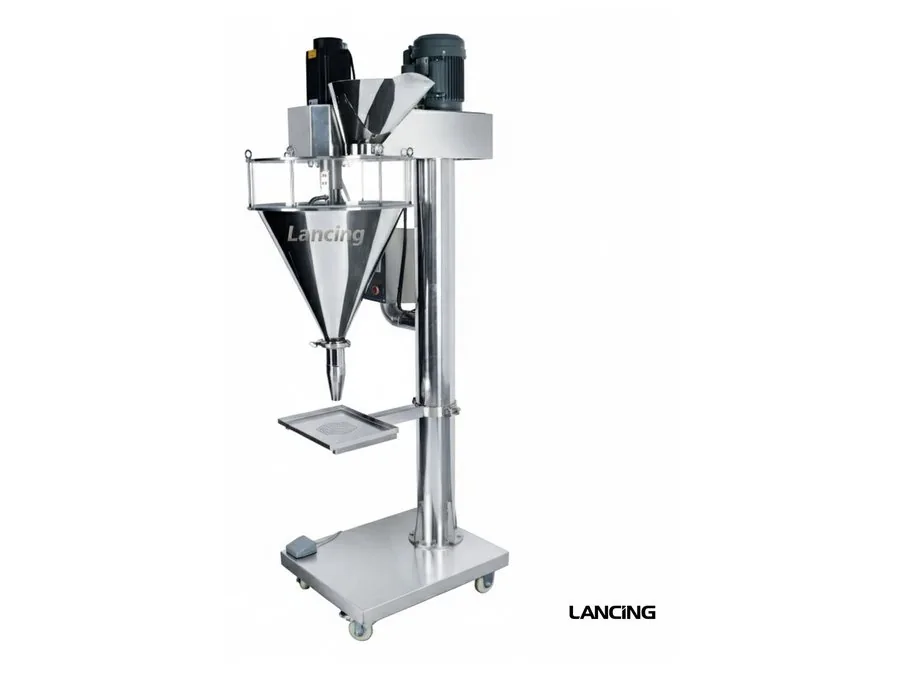
On a semi-automatic auger filler, an operator normally presents and removes each pack, initiates or confirms the fill, watches product feed and completes the next pack-handling step. The exact work depends on whether weighing, settling, capping, sealing, labelling and accumulation remain manual or are supported by adjacent equipment.
Time the complete operator cycle with real packs. A fast dose does not create a fast production cell if the operator must also open pouches, clean rims, fit caps or move finished packs over a long distance.
Plan the complete production cycle →Can one operator fill, weigh and close every pack?
One operator can sometimes fill, weigh and close every pack at modest output, but the task must be balanced around the slowest repeated action and the required quality checks. Heavy packs, difficult pouches, frequent weighing or complex closures may need a second operator or simple handling equipment even when the filler itself is semi-automatic.
A workstation trial should assess reach, lifting, queueing, rejected packs and replenishment as well as the average cycle. The final arrangement must follow the site ergonomic and safety assessment.
Review weighing after filling →When has production outgrown a semi-automatic auger filler?
Production has outgrown a semi-automatic auger filler when operator handling, consistency, labour availability or downstream queueing prevents the required sustained output or quality level. The decision should use the complete shift requirement, changeovers and downtime rather than a single best-case filling speed.
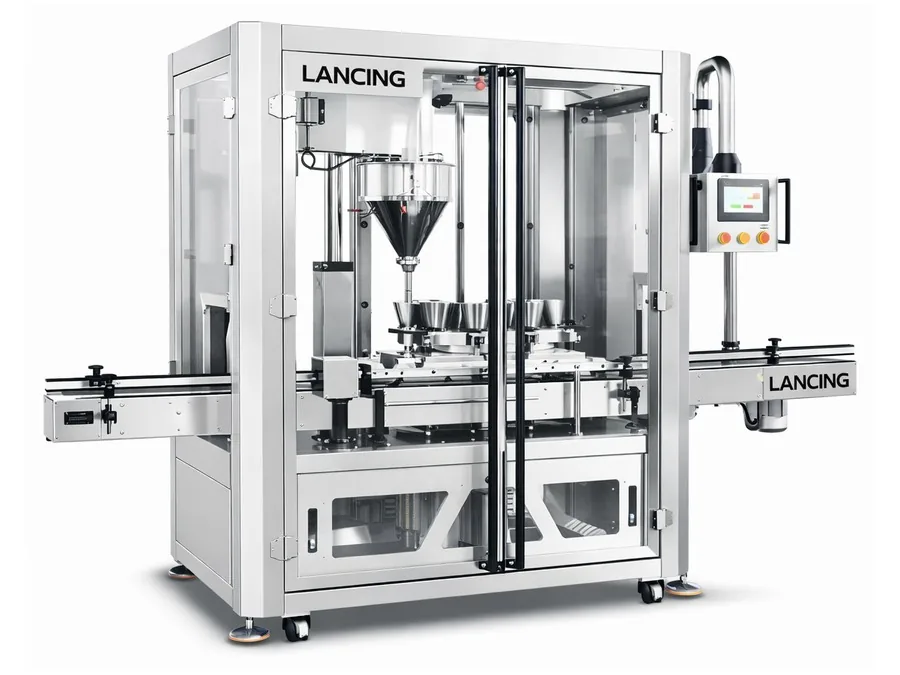
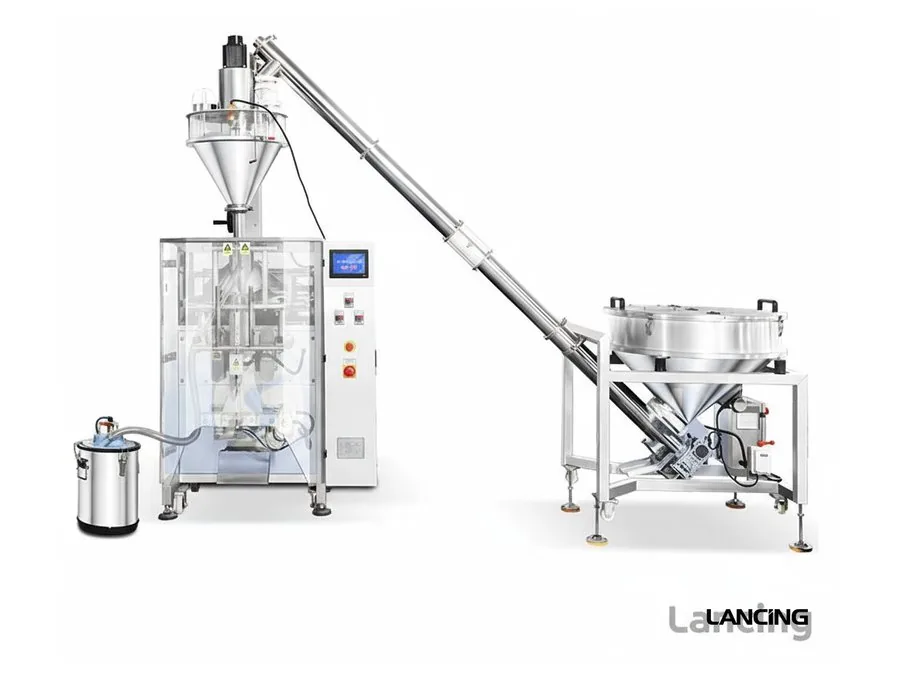
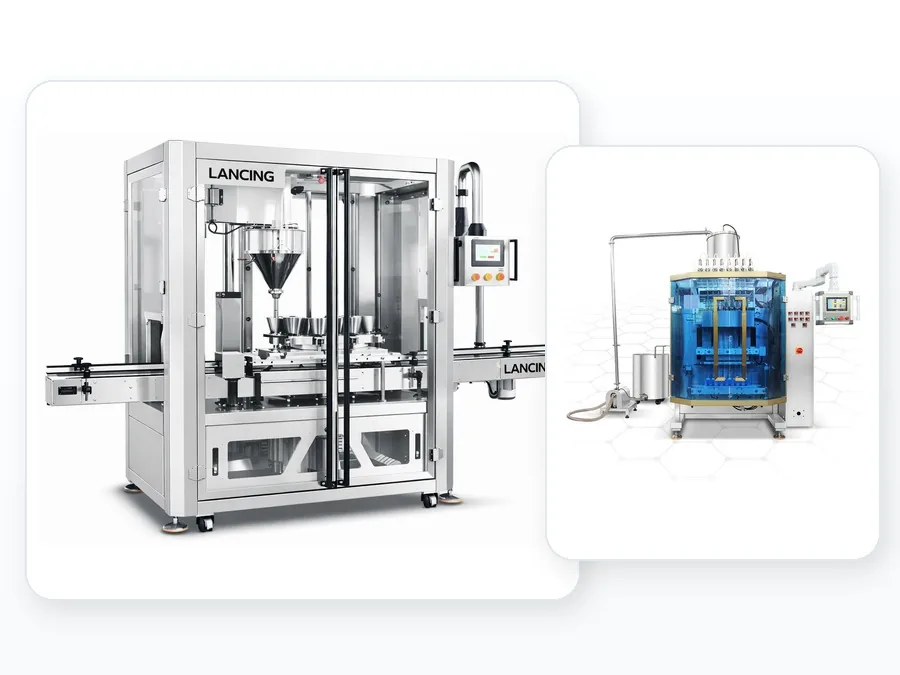
Before moving to a fully automatic line, identify which step is actually limiting capacity. An automatic container indexer, feeder, capper or conveyor may solve the constraint while retaining the existing dosing principle.
Scale trial results into production →